The Complete Guide to Choosing Cycling Gear for Your First Century Ride
Quick Answer: For a first century, prioritize saddle comfort and layering flexibility over speed-focused gear — a 100-mile day punishes discomfort far more than it rewards marginal aerodynamic gains, and most first-timers underestimate how much conditions and fueling needs change over 6-8 hours in the saddle.
A century ride is a completely different animal from your usual 20-30 mile loop, and the gear that works fine for a short ride can quietly fall apart — literally or in comfort — somewhere around mile 60. Here’s the full breakdown of what actually matters.

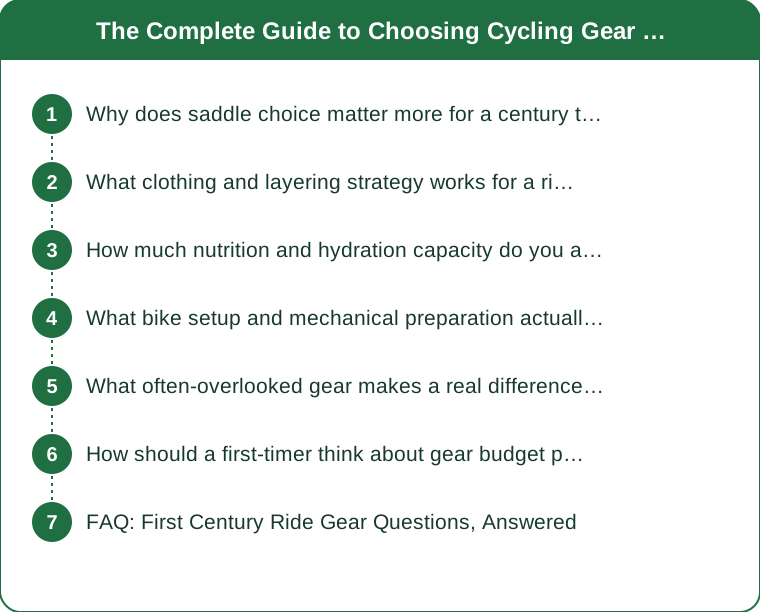
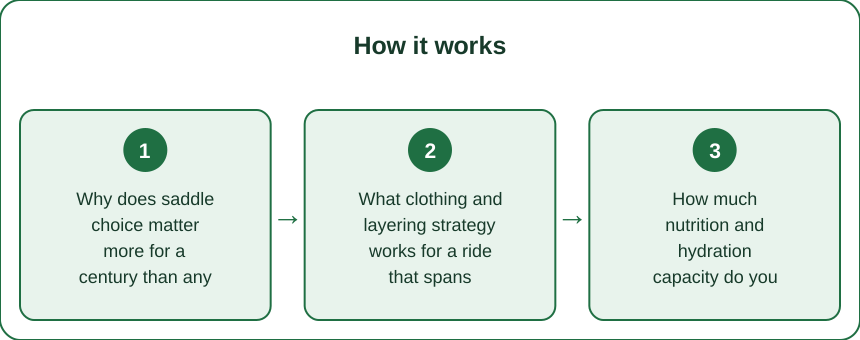
Why does saddle choice matter more for a century than any other single piece of gear?
Over 100 miles, you’ll spend 6-8+ hours of actual saddle time, and even minor pressure point discomfort compounds dramatically over that duration in a way it simply doesn’t over a 20-mile ride. A saddle that felt fine for an hour can become genuinely painful by hour five, which is why saddle testing (ideally on rides progressively closer to century distance) matters more for this specific event than almost any other gear decision.
Padded cycling shorts matter just as much as the saddle itself — a quality chamois with adequate padding density, replaced or upgraded if your current pair is worn thin, is not a place to cut costs for a first century. Many experienced century riders also recommend chamois cream for long rides specifically, even if you’ve never needed it for shorter distances, since friction accumulates with duration in a way shorter rides don’t reveal.
What clothing and layering strategy works for a ride that spans changing conditions?
A century ride, depending on start time and location, can span a genuine temperature range — a cool morning start through a warm midday and potentially a cooling afternoon. Layering pieces that pack down small (an arm warmer, a lightweight packable vest or vindbreaker) let you adjust without carrying bulky, hard-to-stow items.
Arm and leg warmers are particularly valuable for a century specifically because they can be removed and stowed in a jersey pocket without stopping to fully change, unlike a jacket. A moisture-wicking base layer matters more over 6-8 hours than it does on a shorter ride, since prolonged dampness against skin becomes genuinely uncomfortable and can contribute to chafing over that duration.
How much nutrition and hydration capacity do you actually need to carry?
A rough guideline many century riders follow is 60-90 grams of carbohydrate per hour during the ride itself, which means realistically planning for either carrying enough on-bike nutrition (gels, chews, bars) or planning rest stops where you can refuel, rather than assuming you’ll figure it out along the way. Underestimating fueling needs is one of the most common first-century mistakes — the mid-ride energy crash that derails a lot of first attempts is very often a fueling problem, not a fitness problem.
For hydration, two full bottles (roughly 40-48oz) plus a plan for refilling at a rest stop or store around the halfway point is a reasonable baseline for moderate conditions, with more needed in heat. A hydration pack is a viable alternative to bottles if your bike doesn’t have two cage mounts, though it adds some back weight and heat over a long ride that bottles avoid.

What bike setup and mechanical preparation actually matters for 100 miles?
A proper bike fit becomes disproportionately more important at century distance than shorter distances — a slightly-off saddle height or reach that’s a minor annoyance over 20 miles can create real knee or lower back discomfort by mile 70. If you haven’t had a bike fit and are attempting a first century, it’s worth the investment beforehand rather than discovering a fit issue mid-ride with no way to fix it.
Tire choice and pressure matter for both comfort and flat-prevention over a long, often unfamiliar route — slightly wider tires at slightly lower pressure than a race setup improve comfort noticeably over a century’s duration without a significant speed penalty for most non-competitive riders. Carrying proper flat-repair supplies (spare tube, tire levers, a mini pump or CO2) is non-negotiable at this distance, since you’re statistically more likely to encounter at least one mechanical issue over 100 miles than over a typical shorter ride.
What often-overlooked gear makes a real difference at this distance?
Sunscreen reapplication (a small, packable stick or wipes) matters more over 6-8 hours of sun exposure than most riders plan for — a morning application alone often isn’t enough for the full ride duration. Chafing prevention beyond the saddle area — underarms, any skin-on-fabric contact point — becomes relevant at this duration in a way it doesn’t for shorter rides, and a small tin of anti-chafe balm is a common century-ride staple for exactly this reason.
A lightweight, packable rain shell, even if the forecast looks clear, is worth carrying for a ride this long, since weather can shift meaningfully over 6-8 hours in a way it’s less likely to over a 90-minute ride. Cue sheets, a GPS device, or a phone-mounted route app also matter more at this distance, since a wrong turn adds miles you likely haven’t trained the extra distance for.
How should a first-timer think about gear budget priorities if they can’t upgrade everything at once?
If choosing where to spend limited gear budget, saddle and shorts comfort should come first, since discomfort there can end a ride regardless of fitness level — followed by proper hydration and nutrition carrying capacity, since a bonk from under-fueling is entirely preventable with the right gear. Aerodynamic or ultralight gear upgrades, which matter more for competitive riders chasing time, are the lowest priority for a first century where the primary goal is simply finishing comfortably.
FAQ: First Century Ride Gear Questions, Answered
Do I need a completely different bike for a century versus my regular rides?
Not necessarily — a well-fitted bike you already ride regularly, with attention to tire choice and saddle comfort, is usually sufficient; the gear and preparation matter more than the specific bike model for a first century.
How far in advance should I test my full gear setup before the actual century?
At least on one long training ride (60-70+ miles) close to the actual event, since gear issues — chafing, saddle discomfort, fueling strategy — often only reveal themselves at distances approaching the real thing.
Is it normal to need significantly more gear than I use for a normal ride?
Yes — the jump from a typical training ride to a century genuinely changes what’s needed for comfort, fueling, and mechanical preparedness, and most experienced riders carry noticeably more on a century than on a routine 20-30 mile ride.
TL;DR:
- Saddle and shorts comfort matter more for a century than almost any other gear choice
- Plan layering pieces that pack down small for changing conditions over 6-8 hours
- Fuel with 60-90g carbs per hour and carry adequate hydration — under-fueling ends more first centuries than fitness does
- Get a proper bike fit and carry real flat-repair supplies; both matter more at this distance
- Prioritize comfort and fueling gear over aerodynamic upgrades for a first attempt
A century ride rewards preparation more than raw fitness in a lot of ways — get the saddle, fueling, and layering right, and the distance itself becomes far more manageable than it looks on paper.
Keep Reading
This article is for general informational and styling purposes only. Fit, sizing, and product availability may vary — check current details before purchasing.