The Complete Guide to Choosing Your First Road Bike Without Overspending
Quick Answer: A good first road bike prioritizes proper frame fit and reliable, mid-tier components over expensive add-ons like carbon fiber upgrades or top-tier groupsets, since fit and component reliability affect your actual riding experience far more than marginal weight savings or premium branding — most beginners can find a genuinely capable road bike in the mid-price range without needing to reach for the most expensive options a shop offers.
Road bikes span an enormous price range, and a lot of that range reflects diminishing returns rather than meaningful beginner-relevant differences. This guide walks through what actually matters.
Why does frame fit matter more than almost anything else on this list?
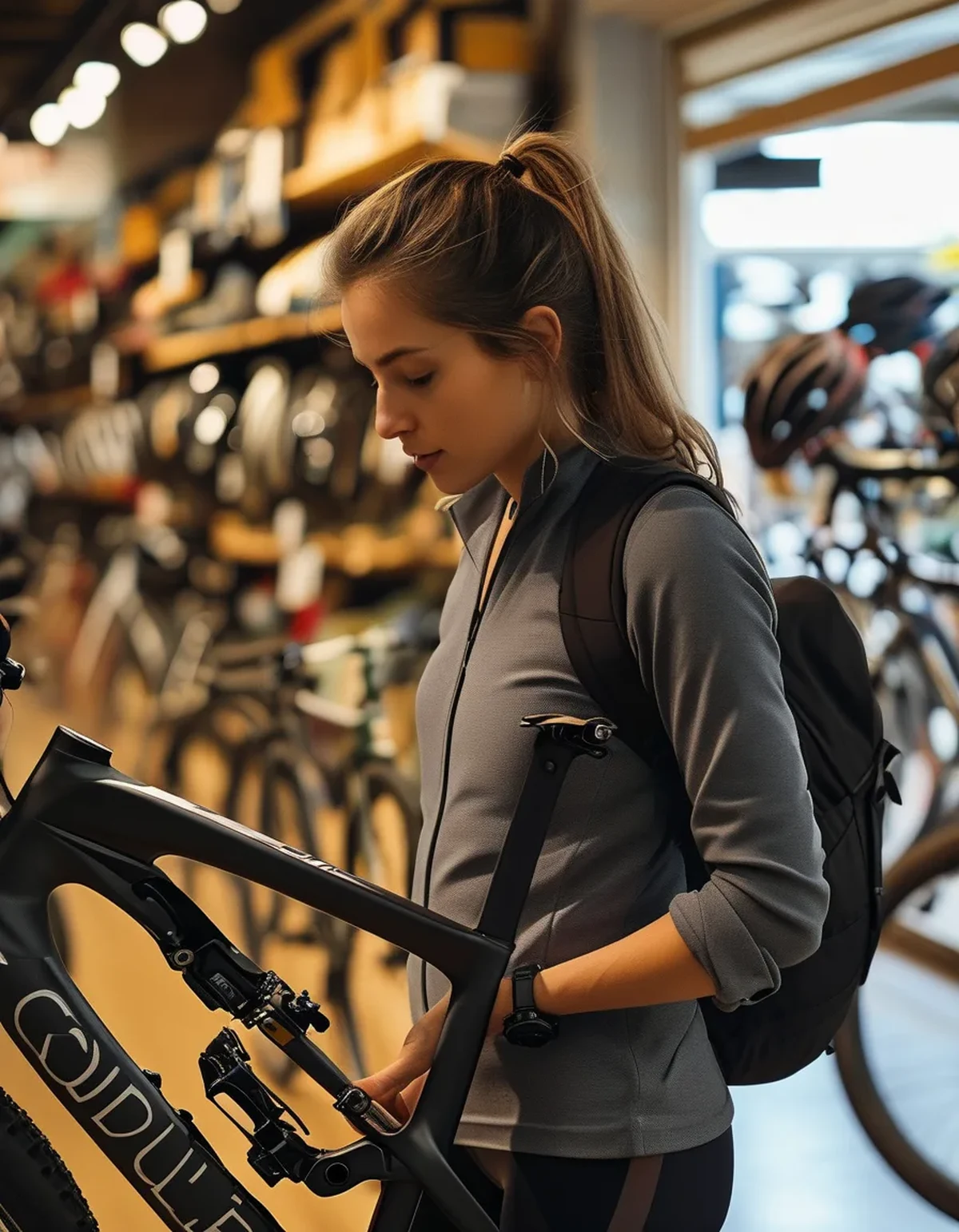
An improperly sized frame causes discomfort and inefficient power transfer no matter how good the components are, and it’s not something you can fully correct later with adjustments. Getting professionally fitted, or at minimum carefully sized, before purchase prevents a problem that no amount of upgraded parts can fix afterward. A bike that fits well lets you actually enjoy longer rides, which matters enormously for whether you stick with the sport at all in the first few months. Poor fit is one of the most common reasons beginners quietly stop riding a bike they were initially excited about.
What’s actually the difference between entry-level and mid-tier components, practically speaking?
Entry-level groupsets shift less smoothly and wear out faster under regular use, while mid-tier groupsets (a step above the absolute base level) offer meaningfully better shifting precision and longer component life without approaching premium pricing. For a first bike, mid-tier components represent the best practical value — noticeably better real-world experience than entry-level, without paying for marginal gains that mostly matter to competitive racers. Bike shops can usually point you to which specific groupset tier a given bike uses if it’s not obvious from the listing.
Is carbon fiber actually worth the price premium for a first road bike?
For most beginners, no — carbon fiber’s main advantage is weight savings, which matters considerably more for competitive racing than for someone building general fitness or riding recreationally. A well-built aluminum frame rides comparably for practical purposes and typically costs significantly less, freeing up budget for better components or accessories instead. Carbon fiber becomes a more reasonable consideration once you have enough riding experience to know you’re committed to the sport and specifically want marginal competitive gains.
What accessories actually matter for a first road bike setup, versus optional extras?
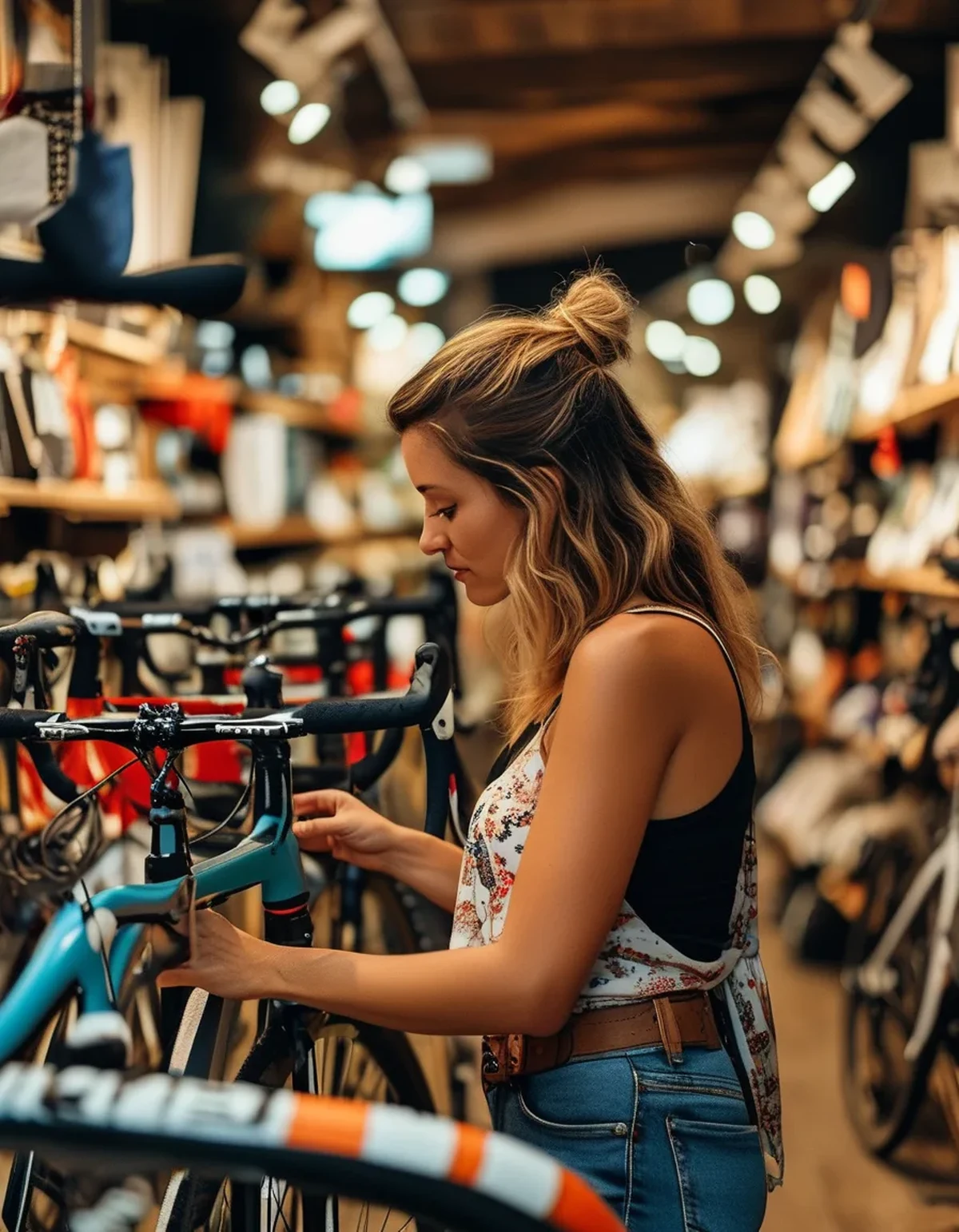
A properly fitted helmet, basic repair kit (spare tube, pump, tire levers), and either padded shorts or a saddle you’ve test-sat are the genuinely necessary additions. Beyond that, items like power meters, aerodynamic accessories, or premium cycling computers are optional upgrades that matter far more to experienced or competitive riders than to someone building a foundational habit. Spending on comfort and basic mechanical self-sufficiency first pays off more than spending on performance-tracking gadgets early on.
How much should a genuinely capable first road bike actually cost?
Most beginners can find a well-built, properly fitted road bike with reliable mid-tier components in a moderate price range, well below the cost of premium racing bikes. Spending significantly more than this typically buys weight savings and marginal component refinements that matter far more to experienced racers than to someone building foundational fitness and enjoyment. It’s reasonable to expect to spend somewhat more than the absolute cheapest bike available, since true bottom-tier components often compromise reliability, but the jump to premium pricing brings diminishing practical returns for a first bike specifically.
Should you buy new or consider a well-maintained used road bike as a first purchase?
A well-maintained used bike from a reputable source can be an excellent value option, often providing better components for the price than an equivalent new entry-level bike. The tradeoff is needing more confidence evaluating the bike’s condition, or bringing someone knowledgeable along, since used bikes vary widely in maintenance history. Buying from a shop that inspects and services used bikes before resale reduces this risk considerably compared to a private, unverified sale.
FAQ: First Road Bike Buying Decisions, Answered
Should I buy from a local bike shop or order online for a first road bike?
A local shop is generally recommended for a first bike specifically, since in-person fitting and after-purchase service support matter more for beginners than for experienced riders who already know their exact preferences.
How important is bike weight for a beginner compared to component quality?
Component reliability and fit matter considerably more than marginal weight differences for a beginner’s actual riding experience and enjoyment.
Is it worth waiting for a sale, or better to buy when you’re ready to start riding?
If you’re motivated to start now, starting is generally more valuable than delaying for a modest discount, since consistent early riding habits matter more than saving a percentage on the purchase.
TL;DR:
- Frame fit affects your actual riding experience more than any single component choice
- Mid-tier groupsets offer the best practical value over entry-level or premium options
- Carbon fiber mainly benefits competitive racing, not general beginner riding
- A helmet, repair kit, and comfortable saddle matter more early on than performance gadgets
- A well-maintained used bike from a reputable shop can be excellent value for a first purchase
Keep Reading
This article is for general informational and styling purposes only. Fit, sizing, and product availability may vary — check current details before purchasing.