Why Your Cycling Cadence Feels Different Indoors Than Outdoors
Quick Answer: The same cadence number feels harder indoors mainly because trainers apply steady, often higher resistance without the coasting, drafting, and airflow cooling that outdoor riding naturally provides — the number on the display is identical, but the physical demand behind it usually isn’t.
If 90 RPM on the trainer leaves you drenched while 90 RPM outside feels conversational, the gap is mechanical and environmental, not a fitness discrepancy.
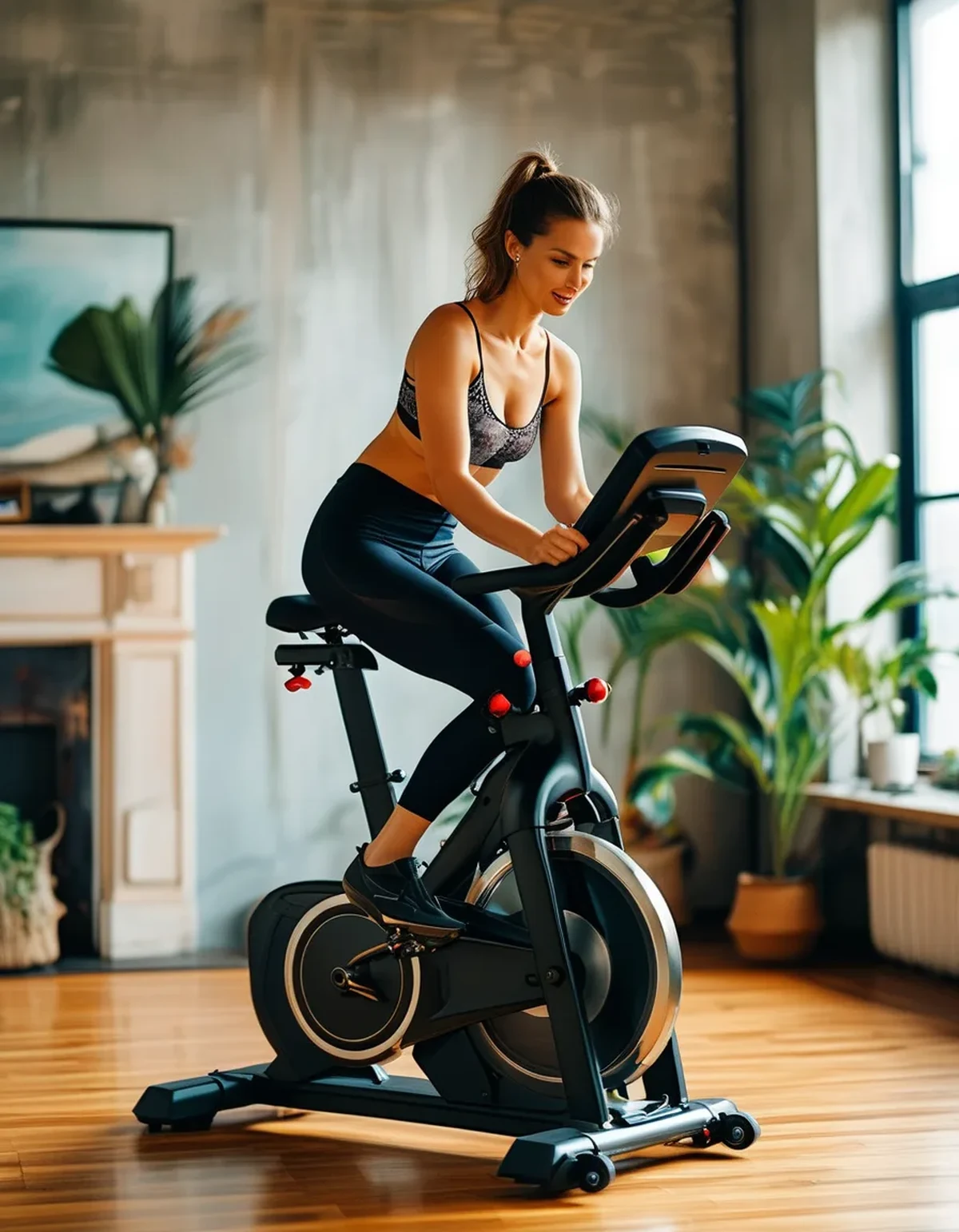
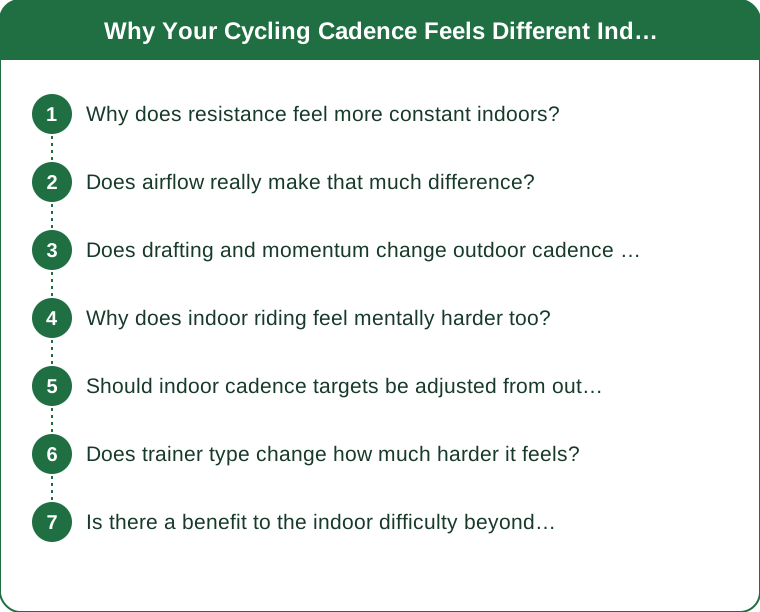
Why does resistance feel more constant indoors?
Outdoor terrain naturally varies — slight downhills, tailwind stretches, and momentary coasting all give brief recovery windows that a fixed or erg-mode trainer doesn’t replicate. A steady indoor wattage target removes those built-in micro-breaks, so the same average effort feels more continuously demanding over a full session. This is one of the most consistently reported differences among cyclists who train both ways, and it’s rarely about fitness — it’s about the shape of the effort curve, not its average height.
Does airflow really make that much difference?
Yes, substantially — outdoor riding generates constant airflow proportional to speed, which is a major part of how the body dissipates heat during hard efforts. Indoors, especially without a strong fan, that cooling mechanism is largely absent, so core temperature climbs faster at the same power output. Elevated core temperature increases perceived exertion independent of the actual muscular workload, which is a big part of why indoor sessions at identical wattage numbers often feel notably harder by the midpoint.
Does drafting and momentum change outdoor cadence demands?
Considerably — riding in a group or even just varying road camber lets outdoor cyclists coast or ease off periodically without consciously deciding to, spreading effort unevenly across a ride in a way that lowers the sustained average demand. Indoors, especially in a structured workout, there’s no group to draft and no downhill to coast down, so the cadence and resistance stay far more constant, which changes how fatigue accumulates even when total work performed is similar.
Why does indoor riding feel mentally harder too?
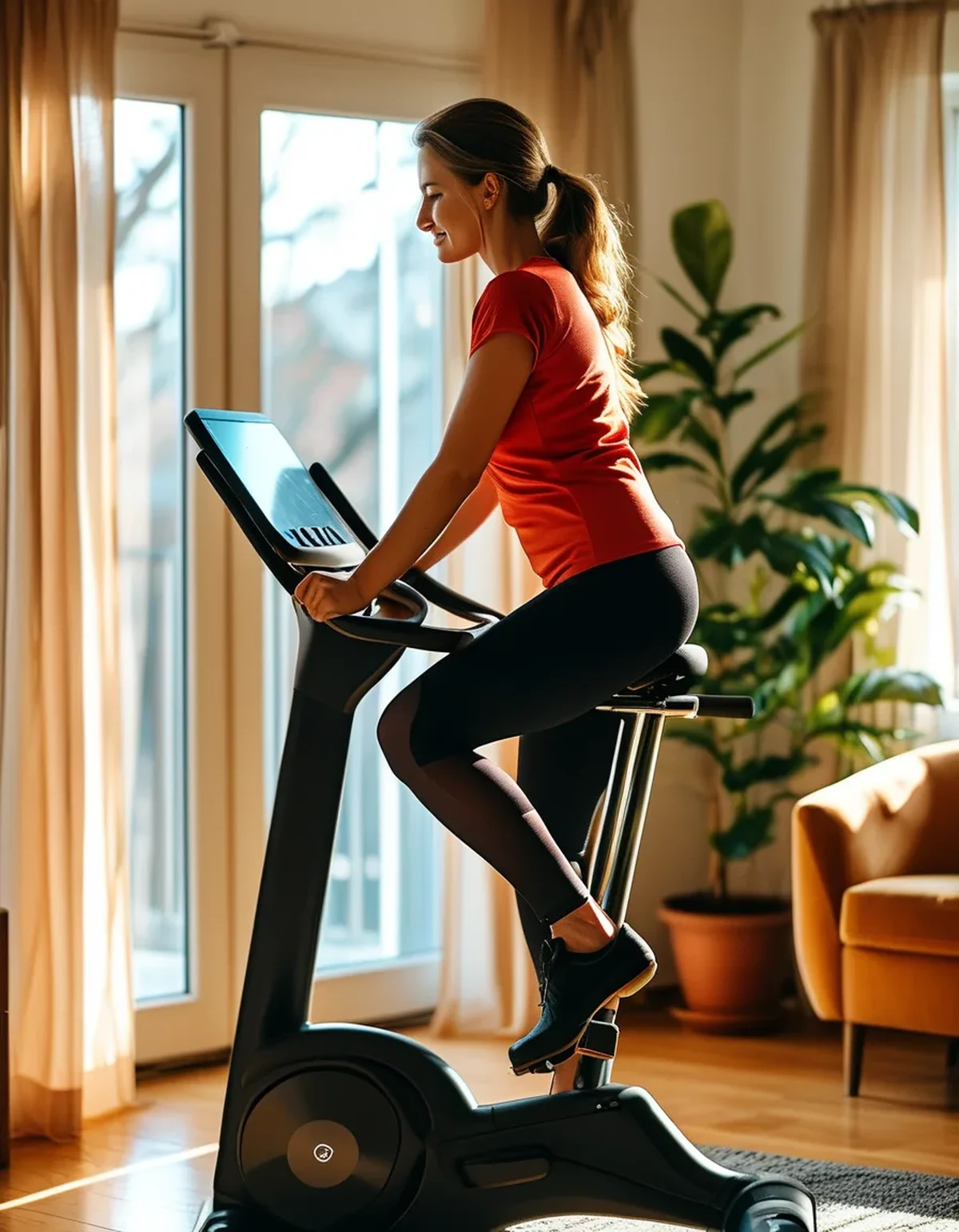
Scenery, terrain changes, and unpredictable variables outdoors occupy attention in a way that a stationary trainer session, often facing a wall or a screen, doesn’t replicate as well. Perceived exertion is partly a function of mental engagement, and a monotonous visual environment tends to make the same physical effort register as more taxing, independent of any physiological difference. This is why many riders find structured indoor sessions benefit from video routes or music more than outdoor rides typically need.
Should indoor cadence targets be adjusted from outdoor ones?
Many coaches recommend treating indoor power or effort targets as roughly 5-10% harder in perceived terms than the equivalent outdoor number, rather than expecting the sensation to match exactly. This isn’t a fitness gap to close — it’s accounting for a genuinely different training environment, and adjusting expectations prevents the common mistake of assuming indoor underperformance means outdoor fitness has declined when it usually hasn’t.
Does trainer type change how much harder it feels?
Yes — a basic wheel-on trainer with magnetic resistance often feels harsher and less smooth than a direct-drive smart trainer, which can more closely simulate road-like resistance changes. Riders switching from a basic setup to a smart trainer frequently report the sensation gap with outdoor riding narrowing noticeably, even though the actual wattage output at a given cadence is unchanged.
Is there a benefit to the indoor difficulty beyond convenience?
Often, yes — the steadier, less forgiving resistance profile indoors can build a more consistent baseline of sustained power output, since there’s no coasting to hide behind. Many cyclists find that outdoor rides feel comparatively easier after a block of indoor training specifically because the indoor sessions removed the natural recovery windows outdoor terrain provides, effectively raising the floor of sustained effort.
TL;DR:
- Indoor trainers remove the natural coasting and terrain variation outdoor riding provides
- Reduced airflow indoors raises core temperature and perceived effort at the same power
- Drafting and road variation lower the sustained average demand outdoors
- A less engaging visual environment indoors can amplify perceived exertion
- Treating indoor targets as slightly harder in perceived terms avoids a false fitness worry
The cadence number is the same — almost everything else around it isn’t.
Keep Reading
This article is for general informational and styling purposes only. Fit, sizing, and product availability may vary — check current details before purchasing.