Cycling for Beginners: How to Get Started

Quick Answer: Start with short, easy rides on flat, low-traffic routes, get your bike fit and seat height right, wear a helmet and stay visible, then build up distance and hills gradually. Do that and cycling turns into one of the most enjoyable, low-impact ways to get fit — no racing, no suffering required.
Your bike’s been sitting in the garage for a year, and every time you picture “getting into cycling” you imagine spandex, steep hills, and burning thighs. None of that is required. Real beginner cycling looks more like a flat, pleasant loop around the block — and it’s genuinely fun from day one.
How should you start cycling as a complete beginner?
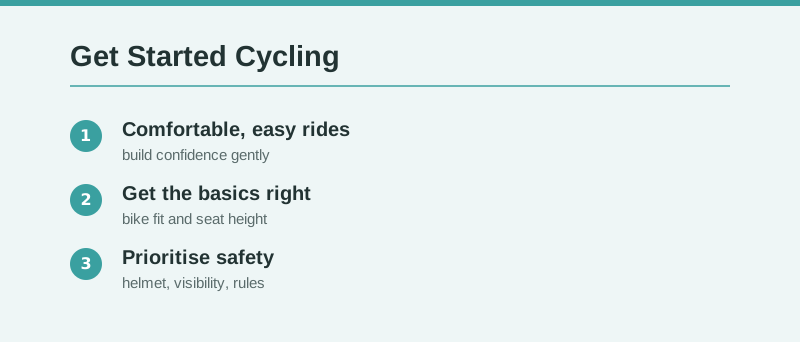
There’s no need to tackle hills or long distances on day one. Begin with short, comfortable rides — think 20-30 minutes — on flat, easy, ideally traffic-light routes to build both confidence and fitness gently.
Cycling should feel enjoyable from the start, so keep those early rides well within your comfort zone. As your confidence and stamina grow, and they will, quickly, you can naturally extend your distance and explore further afield.
How do you make sure your bike actually fits you?
A well-fitted bike makes an enormous difference to your comfort and enjoyment — more than most beginners expect. Make sure your bike suits your size, and check that your seat height is correct: as a rough guide, your leg should be almost straight at the bottom of a pedal stroke.
A poorly set-up bike causes discomfort and inefficiency, while a properly fitted one makes riding feel smooth and almost effortless. It’s worth a few minutes of adjustment, or a quick shop visit, to get this right before you write off cycling as “just not comfortable.”
What safety habits should you build from your very first ride?
Good habits set from the beginning keep cycling safe and enjoyable long-term:
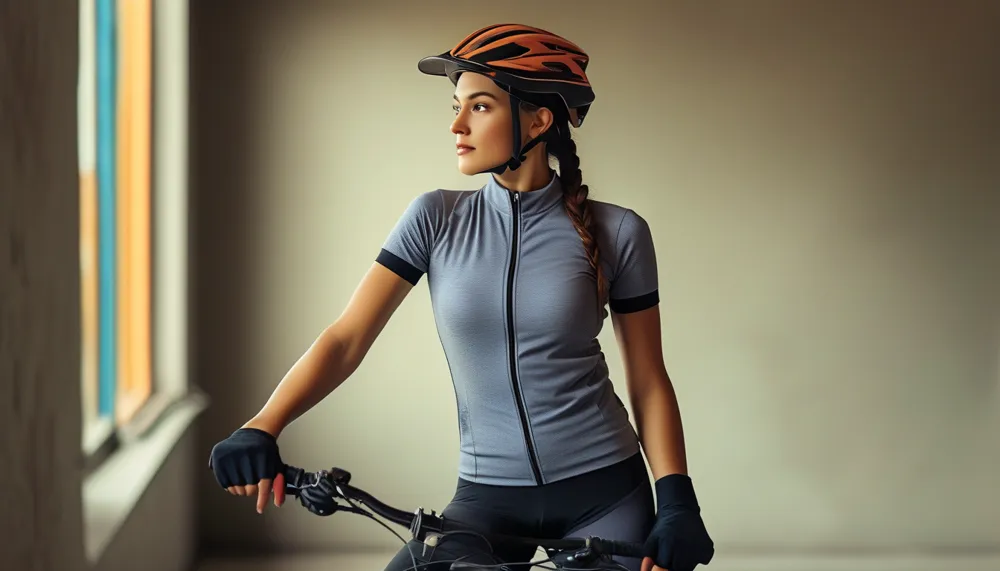
- Always wear a well-fitted helmet — no exceptions, even for a short trip around the block.
- Learn the basic rules of the road before you’re navigating them in real traffic.
- Make yourself visible with bright clothing or lights, especially in low light.
- Stay alert to traffic rather than tuning out with headphones at full volume.
Building these safety habits early means they become second nature, letting you relax and enjoy your rides with confidence. Safety isn’t a buzzkill here — it’s what lets you cycle freely for years to come.
How quickly should you build up distance and hills?
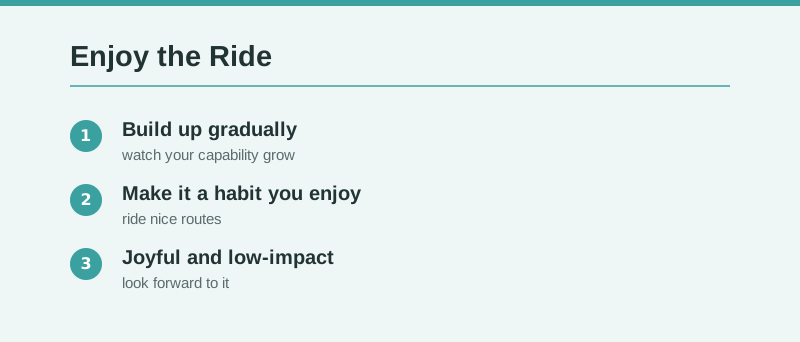
As with any new activity, progress steadily. Gradually increase your distance, then start adding gentle hills once your legs and lungs feel stronger on the flats.
Building up slowly keeps cycling fun and prevents the discouragement, and soreness, of overdoing it too soon. There’s real satisfaction in watching your capability grow ride by ride — a hill that felt impossible early on becomes easy, and a distance that once seemed far becomes routine. Let that progress unfold naturally instead of forcing it.
Mistakes everyone makes when starting to cycle
“Mistakes Everyone Makes”
- Riding an ill-fitted bike and blaming cycling for the discomfort. A wrong seat height alone can make an otherwise great bike feel miserable.
- Going too far, too fast, too soon. An ambitious first ride often leads to soreness that keeps you off the bike for the next two weeks.
- Skipping the helmet “just this once.” The one time you skip it is exactly the ride where you’ll wish you hadn’t.
- Picking busy, stressful routes early on. A traffic-heavy first route can sour you on cycling before you’ve even found your balance.
- Comparing your pace to more experienced riders. The fifth mistake is the quiet one — measuring your week-one rides against someone else’s year-five fitness, and deciding you’re “just not a cyclist” because of it.
How do you make cycling a habit that actually sticks?
The key to cycling becoming a lasting part of your life is genuine enjoyment. Ride routes you find pleasant, perhaps with a friend or toward a nice destination like a café, and let the fun of it pull you back for the next ride.
When cycling feels like a treat rather than a chore, you’ll naturally do more of it, and the fitness, fresh air, and joy all follow close behind.
Mini FAQ
How long should a beginner’s first bike ride be?
Around 20-30 minutes on a flat, low-traffic route is a great starting point. The goal early on is enjoyment and confidence, not distance or speed.
How do I know if my bike seat is set to the right height?
As a rough guide, your leg should be almost straight at the bottom of a pedal stroke. If your knee stays noticeably bent or you’re rocking side to side to reach the pedals, the seat height needs adjusting.
Do I really need a helmet for short, casual rides?
Yes — wear a well-fitted helmet every time, even for a quick trip around the block. It’s one of the simplest habits to build early, and it becomes second nature fast.
TL;DR
- Start with short (20-30 minute), easy rides on flat, low-traffic routes.
- Get your bike fit right, especially seat height — leg almost straight at the bottom of the pedal stroke.
- Wear a helmet, stay visible, and learn basic road rules from ride one.
- Build up distance and hills gradually to avoid burnout and soreness.
- Pick routes and company you genuinely enjoy — enjoyment is what makes the habit stick.
Keep Reading
This article is for general informational and styling purposes only. Fit, sizing, and product availability may vary — check current details before purchasing.