Cycling Nutrition and Hydration: What to Eat Before, During and After
Quick Answer: For rides under 60–75 minutes, water is generally enough. Beyond that, take in roughly 30–60g of carbohydrate per hour and one bottle (about 500–750ml) of fluid per hour, adding electrolytes in heat. Eat a normal meal 2–3 hours before, or a light carb snack 30–60 minutes out. Afterward, get carbs and 20–30g of protein within a couple of hours. The single most important rule: eat before you feel empty — once you’ve bonked, no amount of gel fixes the next hour.
There’s a specific moment about two hours into a ride where the world goes grey, the pedals get heavy, and you start doing emotional math about the distance home.
That’s the bonk, and it’s not a fitness failure. It’s an accounting failure — you spent energy you never deposited.
Why does fueling make or break a ride?
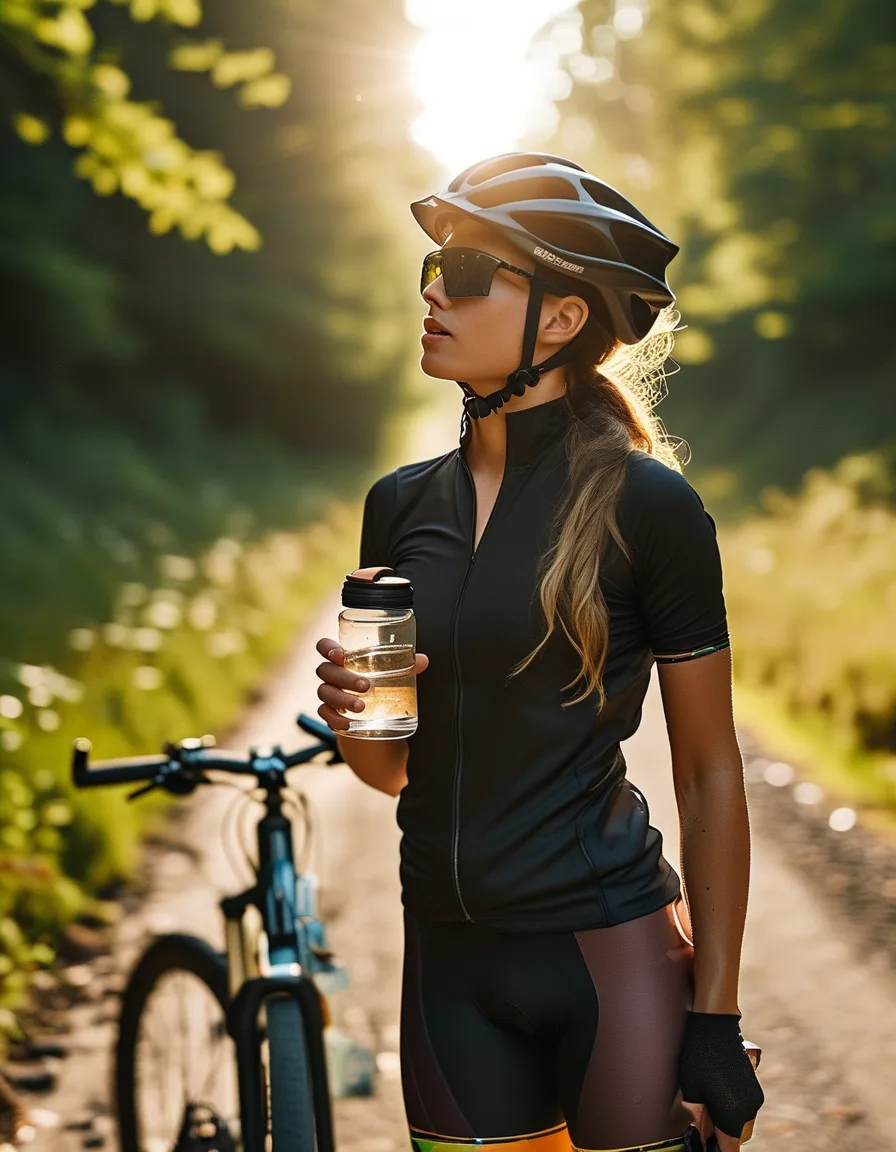
The bonk is real and physiological. Your body stores only a limited amount of readily available carbohydrate — roughly 90 minutes to two hours of moderate riding. Run that down without topping up and performance falls off a cliff, fast and unmistakably.
Even mild dehydration hurts. Losing a small percentage of body weight in fluid measurably reduces performance and makes any given effort feel harder. On the bike this shows up as a heart rate that climbs while your speed drops.
Cycling’s demand is long and steady. Unlike a 30-minute gym session, a three-hour ride is a sustained draw on your fuel supply. Steady demand needs steady supply.
Heat multiplies everything. Hot weather can double your sweat rate, and with it your fluid and sodium needs. A summer ride at the same effort as a spring ride is a completely different nutritional problem.
And recovery determines tomorrow. What you eat after a ride sets up the next one. Skip it consistently and your rides get progressively worse for reasons that look like fitness and aren’t.
What should you eat before, during and after a ride?
Before
2–3 hours out: a normal balanced meal weighted toward carbohydrate, moderate protein, low in fat and fiber. Oatmeal with banana, rice with eggs, toast with peanut butter and honey.
30–60 minutes out: a light carb snack if you didn’t eat earlier. A banana, a slice of toast with jam, a small energy bar.
Start hydrated. Drink about 500ml of water in the two hours before rather than trying to catch up on the bike. You can’t out-drink a deficit you started with. Pale-yellow urine before you leave is the simplest check there is.
During
| Ride length | Fuel | Fluid |
|---|---|---|
| Under 60–75 min | Usually nothing needed | Water, ~1 bottle |
| 1–2.5 hours | 30–60g carbs/hour | 500–750ml/hour |
| 2.5+ hours or hot | 60–90g carbs/hour | 750ml+/hour, with electrolytes |
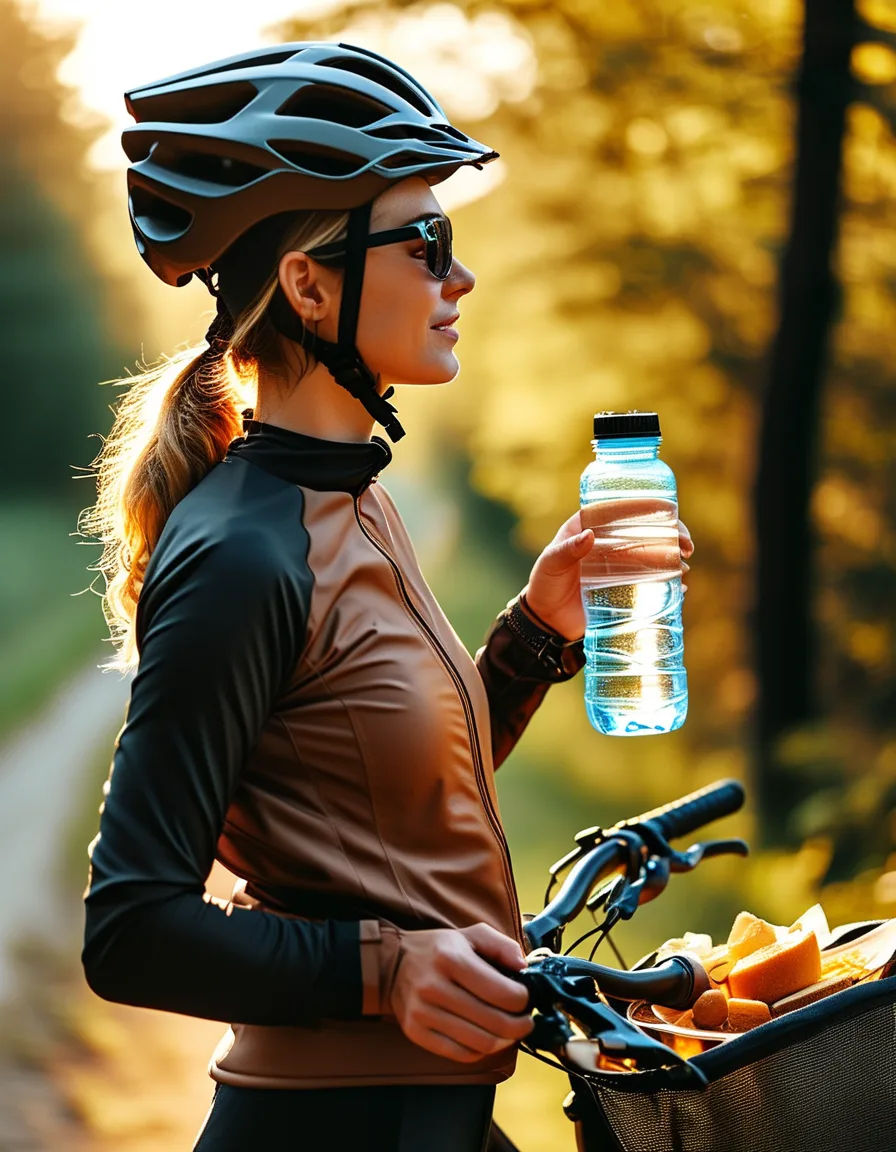
30–60g of carbohydrate per hour looks like: one energy gel plus half a banana, two fig bars, a handful of dates, or a bottle of carb drink mix. Start eating within the first 45 minutes, not when you feel low.
Electrolytes in heat. Once rides run long or hot, water alone isn’t enough — you’re losing sodium in sweat, and replacing only water can leave you flat and, in extreme cases, unwell. Use a tablet or drink mix in one of your bottles.
After
Within about two hours: carbohydrate to restock your stores, plus 20–30g of protein for muscle repair. Chocolate milk is the cliché because it genuinely works; so does a rice bowl with chicken, or eggs on toast with fruit.
Rehydrate deliberately. Drink roughly 1.25–1.5× the fluid you lost. If you want the real number, weigh yourself before and after a ride — each pound lost is roughly 500ml of fluid to replace.
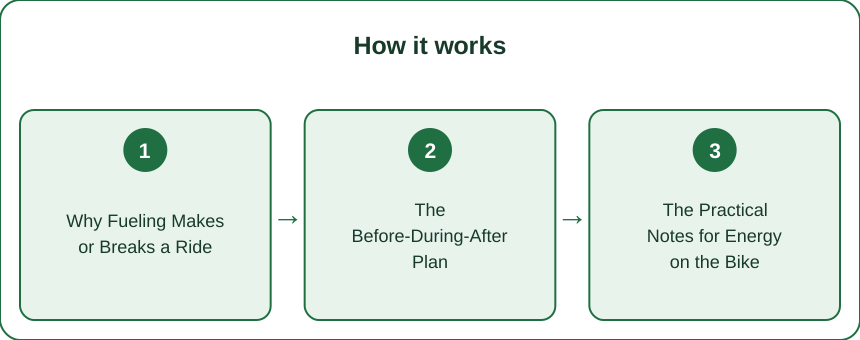
The practical notes for energy on the bike
Carry food you can eat one-handed. If it takes two hands and a stop, you won’t eat it. Jersey pockets, a top-tube bag, or a bar unwrapped in advance.
Eat before you need it. Set a 20-minute timer on your bike computer or phone. Small, regular intakes beat one big panic-eat at the point of collapse — and by the time you feel empty, you’re already 30 minutes behind.
Practice your fuel in training. Never try a new gel, bar or drink mix on a big ride or an event. Stomachs are individual and unforgiving, and a GI problem at mile 40 is worse than being slightly underfueled.
Choose easily digestible carbs while riding. Simple sugars, low fiber, low fat. Save the high-fiber whole foods for afterward — your gut has less blood flow than usual while you’re working.
Scale to the ride. Longer and hotter means more of everything. A one-hour spin needs a bottle. A four-hour summer ride needs a plan, and possibly a stop.
Listen to your body, but don’t wait for it. Thirst and hunger lag behind actual need, especially in heat. Use the clock as your primary guide and your body as a cross-check.
5 Mistakes Everyone Makes With Cycling Nutrition
- Waiting until you feel hungry. By then you’re already behind, and catching up mid-ride takes 30–45 minutes you’d rather spend riding.
- Trying new fuel on the big ride. The classic way to convert a great day into a roadside GI incident. Test everything in training.
- Water only on hot long rides. You need sodium as well as fluid once you’re sweating heavily for hours.
- Overeating on short rides. A gel on a 45-minute spin is unnecessary calories, not performance. Fuel the ride you’re actually doing.
- Skipping post-ride food because you’re not hungry. The third mistake gets the most attention, but this is the one that quietly ruins your next three rides — appetite is often suppressed right after hard exercise, so eat on a schedule rather than on appetite.
Mini FAQ
What should I eat before a morning bike ride?
If you’re riding within an hour of waking and it’s under about 90 minutes, a banana or a slice of toast with honey is plenty. For longer or harder morning rides, eat a proper carb-based breakfast 2 hours before if you can, or a bigger snack 45–60 minutes out. Never start a long ride on nothing and hope.
How much should I drink while cycling?
Roughly 500–750ml per hour in moderate conditions, more in heat — some riders lose over a liter an hour on hot days. Drink small amounts regularly rather than large gulps occasionally. Weighing yourself before and after a ride once will tell you your personal sweat rate, which is far more useful than any general number.
Do I need energy gels, or is real food fine?
Real food works well and is often cheaper and easier on the stomach: bananas, dates, fig bars, rice cakes, boiled potatoes with salt. Gels are just convenient and fast-absorbing, which matters most in hard efforts and races. For general riding, most people do best with a mix — real food early, something quick late.
TL;DR:
- Under 60–75 min: water is enough.
- Longer: 30–60g carbs/hour, starting within the first 45 minutes.
- Fluid: 500–750ml/hour, more in heat, with electrolytes on long or hot rides.
- Before: normal meal 2–3 hours out, or a light carb snack 30–60 min out. Start hydrated.
- After: carbs + 20–30g protein within 2 hours; rehydrate at 1.25–1.5× losses.
- Set a 20-minute timer and eat before you feel empty.
- Never test new fuel on a big ride.
Fuel and fluid are performance, not afterthoughts. Steady energy, no bonk.
Keep Reading
This article is for general informational and styling purposes only. Fit, sizing, and product availability may vary — check current details before purchasing.