The Actual Cause of Most Saddle Sores (Padding Alone Doesn't Fix It)
Quick Answer: Most saddle sores come from friction plus trapped moisture, not from too little cushioning. That’s why adding a gel cover or thicker shorts so often fails — and sometimes makes things worse by increasing contact area and holding heat. The real fix is saddle position first, moisture-wicking fabric second, and hygiene third.
You buy the gel cover. Two rides later, the same tender spot is back — angrier, if anything. So you buy thicker shorts, and the sore hangs around anyway.
That loop isn’t bad luck. It’s what happens when you keep treating a friction problem like a pressure problem.
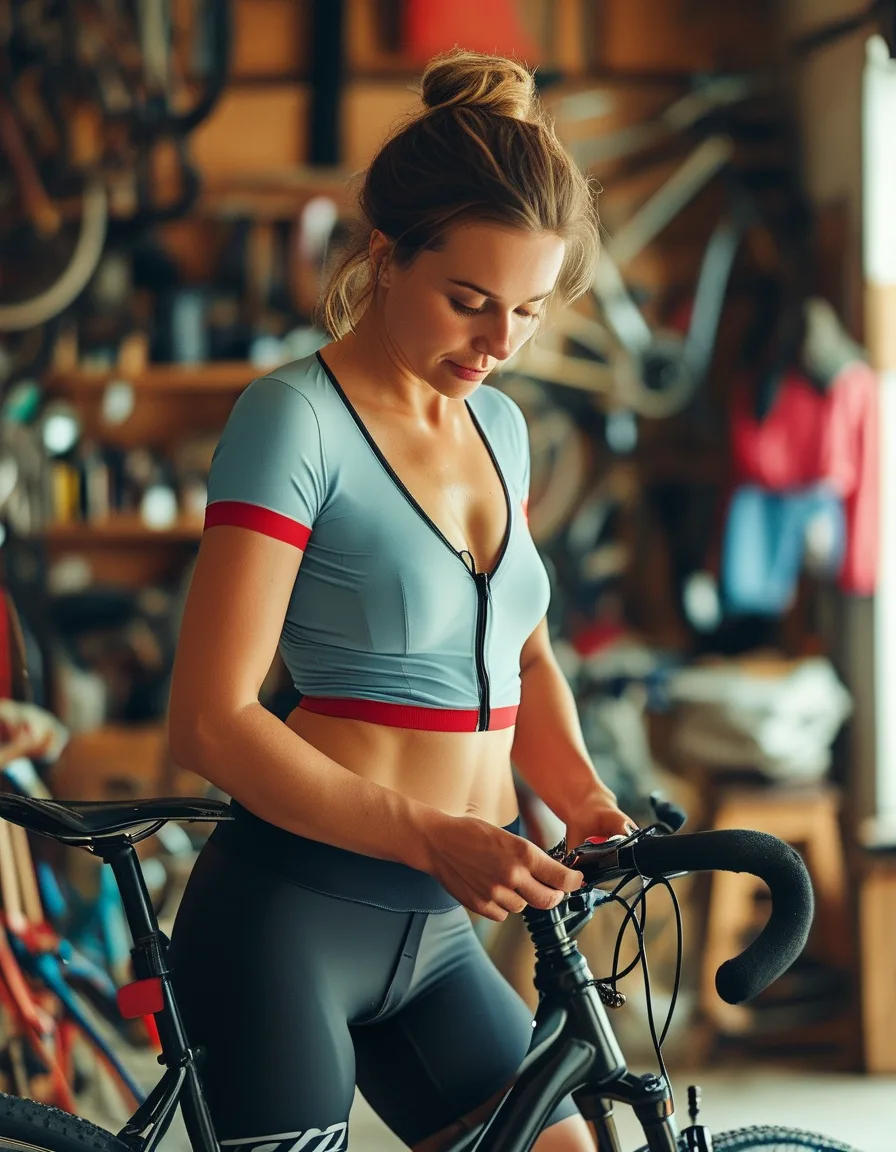
What Actually Causes Saddle Sores?
Genuine saddle sores develop from repeated friction combined with trapped moisture and heat against skin over an extended ride — not from the blunt pressure that cushioning is designed to absorb.
Think about what your skin is doing for two hours. It’s being rubbed thousands of times in the same small area, while sitting in a warm, damp, sealed environment. That combination breaks down the skin barrier long before pressure alone would.
Inadequate cushioning does contribute something, especially past the two-hour mark. It’s just not the primary driver. That’s the whole reason the padding-only fix keeps disappointing people: it’s a real answer to a secondary question.
Why Does More Padding Sometimes Make Saddle Sores Worse?
Here’s the counterintuitive part. Thicker padding increases total skin contact surface area and traps more heat and moisture against you rather than less. You’re adding insulation to the exact spot that needed ventilation.
Second mechanism, and this one catches a lot of riders: padding that shifts or bunches mid-ride creates brand-new friction points that didn’t exist before. A gel cover that slides half an inch every time you stand up is manufacturing the problem it was bought to solve.
So more padding without a fit check doesn’t just fail — it can hand you a second sore in a spot you’d never had trouble with.
Myth vs. Fact
Myth: A sore means your saddle is too hard. Fact: It usually means your skin is being rubbed in a damp, warm environment. Hardness is a comfort variable; friction and moisture are the injury variables.
Myth: Padded shorts and a gel cover together are twice as good. Fact: Stacking layers multiplies the heat and moisture trap. Riders who layer often report more trouble, not less.
Myth: Sores are a beginner problem you outgrow. Fact: They track ride duration and setup, not experience. Plenty of 100-mile-a-week riders manage them constantly.
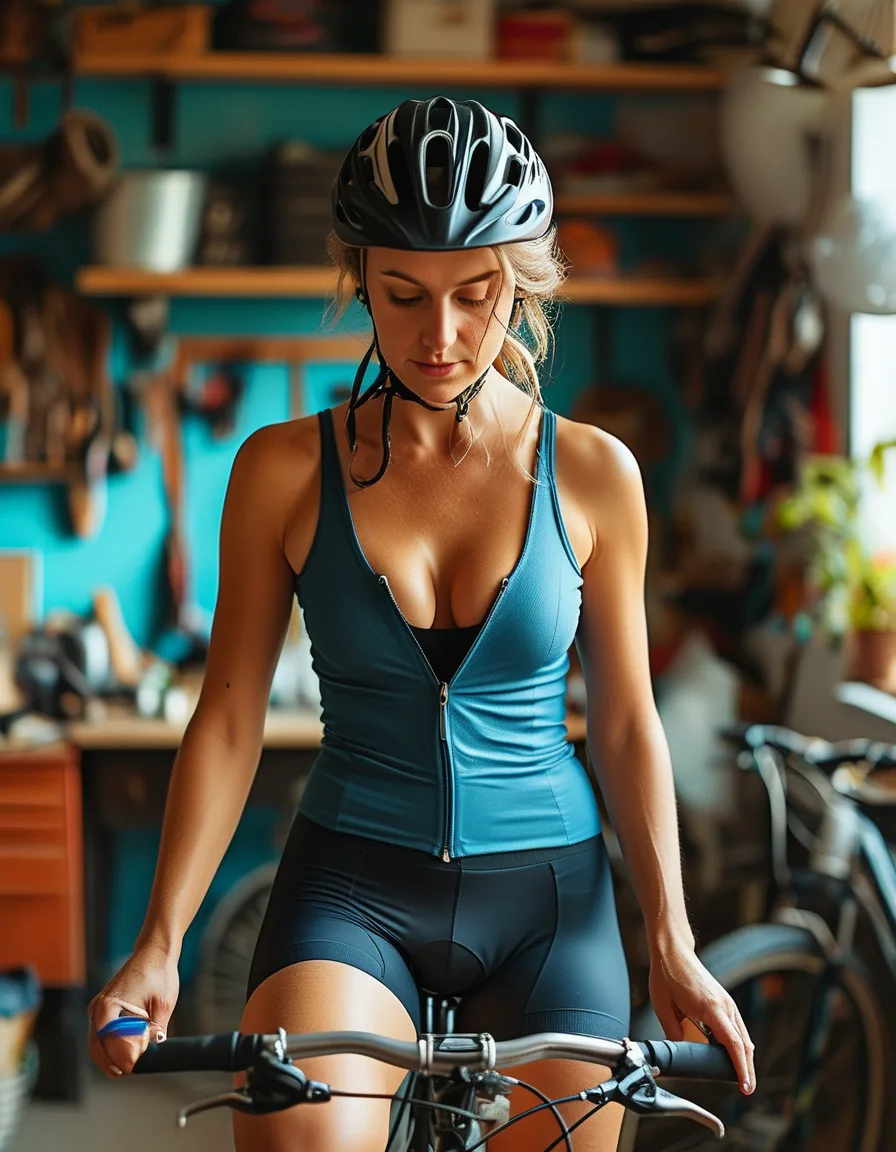
How Do You Actually Fix Recurring Saddle Sores?
Three changes, in this order. The order matters — fixing fabric while your saddle is 2 cm too high just moves the sore around.
1. Verify saddle position and height first. A poorly positioned saddle creates abnormal friction patterns that no amount of padding can compensate for. If you’re rocking side to side at the hips on every pedal stroke, your saddle is too high, and you’re grinding the same two spots for the whole ride. A fit session, or even a careful phone video of yourself from behind on a trainer, will show it.
2. Choose moisture-wicking, cycling-specific fabric for anything touching skin. Not cotton. Cotton holds sweat against you for the entire ride, which directly feeds the moisture half of the mechanism. This is the single cheapest change on the list, and it targets the actual cause rather than the symptom. A well-fitted technical short — the same construction logic behind squat-proof high waist leggings that stay put instead of bunching — beats a thicker pad that migrates.
3. Keep the hygiene side honest. Shower reasonably promptly after riding, and don’t wear the same unwashed shorts across multiple sessions. This reduces the bacterial complication that turns ordinary friction irritation into a genuinely persistent sore.
None of this is glamorous. It’s also considerably cheaper than the fourth saddle you were about to buy.
FAQ
How long does a saddle sore take to heal?
A mild friction irritation often settles within a few days once the rubbing stops. A deeper, inflamed sore can take one to two weeks and generally needs you off the bike, or at least off that setup, for part of it. If it’s growing, draining, or increasingly painful, see a doctor — that’s an infection question, not a gear question.
Should I stop riding until it clears up?
Ideally you reduce ride time rather than keeping the exact routine that produced it. Riding through a sore on an unchanged setup is how a two-day irritation becomes a two-week one.
Does chamois cream actually help?
Yes, for the friction component specifically — it lowers skin-on-fabric friction during the ride. It doesn’t address a fit problem or a wet cotton layer, so treat it as a genuinely useful supporting measure rather than the whole solution.
TL;DR
- The real cause is friction + trapped moisture, not insufficient cushioning.
- More padding can backfire by increasing contact area, holding heat, and bunching into new friction points.
- Fix in order: saddle position and height → moisture-wicking cycling fabric next to skin → prompt washing and clean shorts every ride.
- See a professional if a sore is spreading, draining, or getting more painful rather than less.
Keep Reading
This article is for general informational and styling purposes only. Fit, sizing, and product availability may vary — check current details before purchasing.