What Actually Determines How Far You Can Comfortably Cycle — It's Not Just Fitness
Quick Answer: Comfortable cycling distance is determined less by cardiovascular fitness and more by bike fit, saddle compatibility, cadence habits, fueling strategy, and pacing discipline — a well-fitted beginner on a properly sized bike will often out-distance a fitter rider on a poorly fit one.
Most new cyclists assume distance is purely a fitness problem, so they train harder and still hit a wall at the same mileage every time. The wall usually isn’t your lungs or your legs — it’s one of five specific, fixable variables.
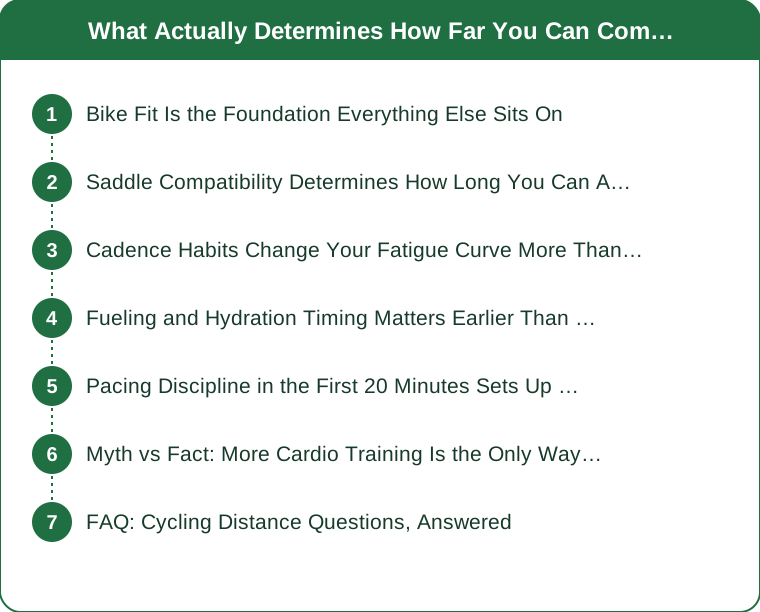
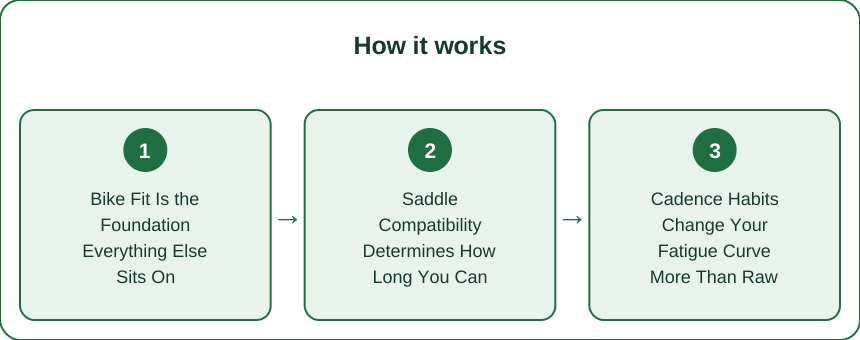
Bike Fit Is the Foundation Everything Else Sits On
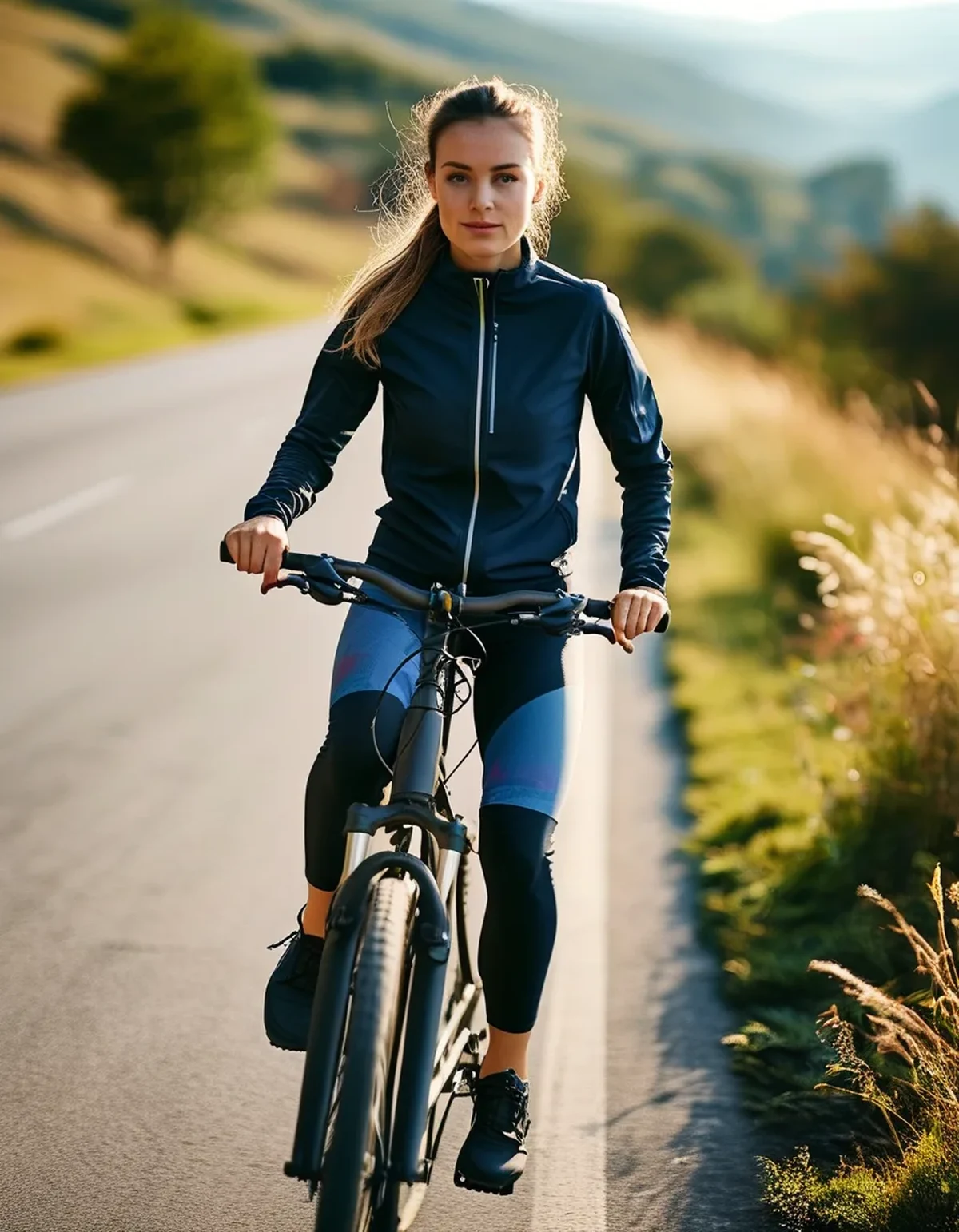
A bike that’s the wrong frame size or has the saddle at the wrong height changes your entire power output and comfort ceiling, regardless of how fit you are. Riding with the saddle too low, for instance, forces your quads to do disproportionate work and caps your sustainable output well before your cardio system is the limiting factor. A basic fit check — knee with a slight bend at full pedal extension, hands able to reach the bars without hunching your shoulders to your ears — takes ten minutes and often adds miles to your comfortable range immediately. If you’ve plateaued at the same distance for weeks despite training, get the fit checked before you assume it’s a fitness ceiling. Many local bike shops offer a basic fit assessment for under $50, and it’s frequently the single highest-return change a new cyclist can make.
Saddle Compatibility Determines How Long You Can Actually Sit
Saddle discomfort is the number one reason new cyclists cut rides short, and it’s rarely about padding thickness — it’s about width matching your sit bones. A saddle that’s too narrow for your anatomy causes pressure on soft tissue rather than your sit bones, which becomes genuinely painful well before your legs or lungs tire out. Many bike shops offer a sit-bone measurement using a foam pad, and matching that width to a saddle spec sheet solves the majority of chronic discomfort. Padded shorts help, but they’re a band-aid on a fit problem if the saddle width itself is wrong — don’t spend $80 on shorts before spending $15 on a proper fit check.
Cadence Habits Change Your Fatigue Curve More Than Raw Effort
New cyclists tend to ride in a gear that feels ‘strong’ — high resistance, low cadence — which fatigues the legs quickly through pure muscular strain. Experienced cyclists spin at a higher cadence, generally 80-90 RPM, using smaller, more frequent muscle contractions that delay fatigue significantly compared to grinding a high gear at 50-60 RPM. If you don’t have a cadence sensor, a rough gauge is: if you can’t maintain a conversation because your legs are burning rather than your lungs working, you’re likely pushing too high a gear. Shifting down and spinning faster feels less powerful in the moment but reliably extends your comfortable distance.

Fueling and Hydration Timing Matters Earlier Than People Expect
Waiting until you feel hungry or thirsty to eat or drink on a ride is already too late — by the time thirst or hunger registers, performance has usually already started declining. For rides over 60-90 minutes, a general guideline is roughly 30-60 grams of carbohydrate per hour once you’re past the first hour, and steady sips of water or electrolyte drink every 15-20 minutes rather than large infrequent gulps. Under-fueling shows up as a sudden, sharp drop in energy — often called ‘bonking’ — that feels like hitting a wall rather than gradually tiring, and it can end a ride that your fitness was otherwise fully capable of finishing.
Pacing Discipline in the First 20 Minutes Sets Up the Whole Ride
Most new cyclists go out too hard in the first 15-20 minutes because the effort feels easy on fresh legs, then pay for it in the second half of the ride. A more sustainable approach is to treat the first 15-20 minutes as a deliberate warm-up at conversational pace, even if it feels frustratingly slow, letting your body settle into its aerobic system before demanding more. Riders who pace evenly — or slightly negative-split, going a bit faster in the second half — consistently report finishing stronger and covering more distance than riders who start fast and fade.
Myth vs Fact: More Cardio Training Is the Only Way to Ride Farther
Myth. Cardiovascular fitness matters, but it’s frequently not the binding constraint for new riders — bike fit, saddle discomfort, and fueling errors cap distance well before lung capacity does. Fact: many riders add 10-20% to their comfortable distance within a single ride just by correcting fit, cadence, or fueling, with zero additional training. Training absolutely helps over the long run, but it’s solving the wrong problem if the real limiter is a saddle that’s the wrong width or a gear that’s too hard.
FAQ: Cycling Distance Questions, Answered
How many miles should a beginner expect to ride comfortably?
Most beginners on a properly fit bike can comfortably manage 10-15 miles within the first month, extending to 20-30 within two to three months of regular riding, though this varies with terrain and fitness base.
Does tire pressure affect comfort and distance?
Yes — overinflated tires transmit more road vibration and fatigue, while underinflated tires increase rolling resistance; checking pressure against the tire’s sidewall PSI range before longer rides is worth the two minutes it takes.
Is it normal for hands or wrists to hurt on longer rides?
Mild hand numbness is common and usually points to too much weight on the handlebars from a fit that’s too stretched out or too low; shifting hand position every 10-15 minutes and having the fit checked both help.
TL;DR:
- Bike fit and saddle width are usually the real limiter on distance, not cardio fitness
- Higher cadence (80-90 RPM) delays leg fatigue more than pushing a strong-feeling gear
- Fuel and hydrate on a schedule, not when you notice hunger or thirst — by then it’s late
- Pace the first 15-20 minutes conservatively; even splits beat fast starts for total distance
Most riders have more distance available to them right now than they think — it’s locked behind a fit adjustment or a fueling habit, not a fitness wall.
Keep Reading
This article is for general informational and styling purposes only. Fit, sizing, and product availability may vary — check current details before purchasing.