Why the Same Cycling Cadence Feels Completely Different Indoors Versus Outdoors
Quick Answer: The same numeric cadence feels harder indoors mainly because outdoor riding includes natural micro-variations in effort (coasting, terrain changes, drafting, freewheel momentum) that an indoor trainer’s more constant resistance doesn’t replicate, combined with reduced airflow and cooling indoors and the absence of outdoor sensory distraction — the fix isn’t necessarily changing the cadence number itself, but adjusting resistance settings, cooling, and pacing strategy specifically for indoor conditions rather than assuming outdoor numbers should translate directly.
A harder-feeling indoor cadence at the same number as an easy outdoor ride isn’t a sign of lost fitness — it’s a predictable result of several real physical and sensory differences between the two environments, and understanding each one makes indoor training feel far more manageable.
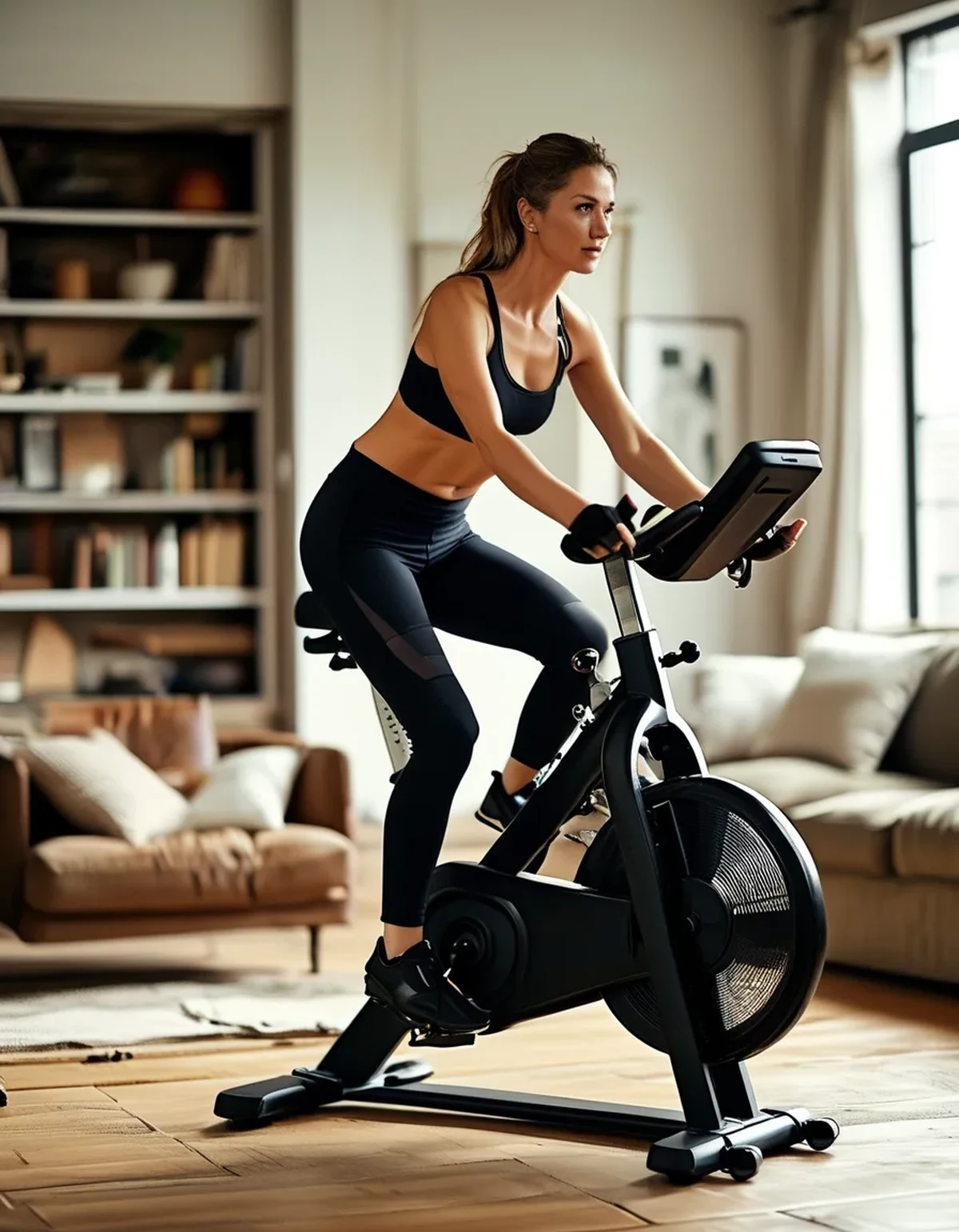
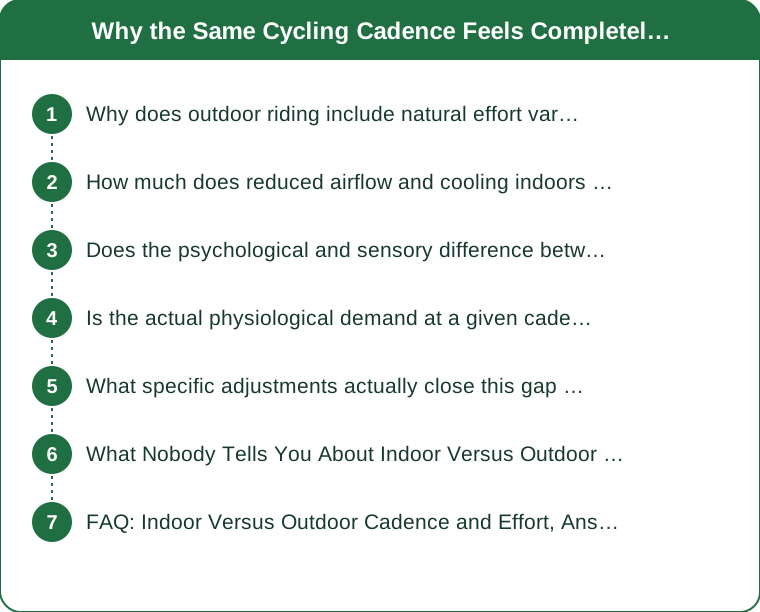
Why does outdoor riding include natural effort variation that indoor riding doesn’t replicate as easily?
Outdoor cycling naturally includes constant micro-variations in resistance and effort — brief coasting moments, terrain undulation, wind changes, drafting behind other riders, and freewheel momentum through turns and descents — all of which give working muscles brief, frequent micro-recovery moments throughout a ride. A standard indoor trainer, particularly a basic fluid or magnetic model without route simulation, often applies a more constant, unbroken resistance load, removing these micro-recovery windows even at the identical average cadence and power output. This constant-load pattern means the same average effort over an hour can feel meaningfully more taxing indoors, since the muscles never get the brief natural breaks outdoor terrain provides.
Smart trainers with route or gradient simulation can partially replicate this variation, but even these often don’t fully capture the same random micro-variation of genuinely outdoor conditions, particularly wind gusts and drafting effects, which remain difficult to simulate precisely.
How much does reduced airflow and cooling indoors actually contribute to the harder-feeling effort?
Substantially more than most riders expect — outdoor riding at typical cycling speeds (15-20+ mph) creates significant natural airflow that provides real evaporative cooling, while an indoor trainer, especially without a dedicated fan, provides none of this airflow at the equivalent effort level. The body’s cooling system works measurably harder indoors to dissipate the same heat load, and this added thermoregulatory demand directly increases perceived effort and actual physiological strain at the same power output, independent of the muscular work itself.
A proper high-output fan pointed directly at the rider is one of the single most effective indoor training tools for this reason specifically — many experienced indoor cyclists report a noticeably easier perceived effort at the same power simply from adding adequate airflow, since it addresses this thermoregulatory gap directly rather than the muscular effort itself.
Does the psychological and sensory difference between indoor and outdoor riding actually affect perceived effort, separate from the physical factors?
Yes, meaningfully — outdoor riding provides constantly changing visual scenery, varying terrain to focus on, and natural environmental engagement, all of which serve as a form of attentional distraction from effort perception. Indoor riding, especially in a static, visually unchanging space, removes much of this natural distraction, meaning more conscious attention remains on the physical sensation of effort itself, which research on perceived exertion suggests can genuinely increase how hard an identical physical effort feels, independent of any actual physiological difference.
This is part of why indoor cyclists often report that watching engaging video content, using virtual cycling platforms with simulated scenery, or riding with structured interval workouts (which provide a mental framework and clear endpoints) meaningfully improves perceived effort compared to riding the same duration and intensity with no external engagement at all.
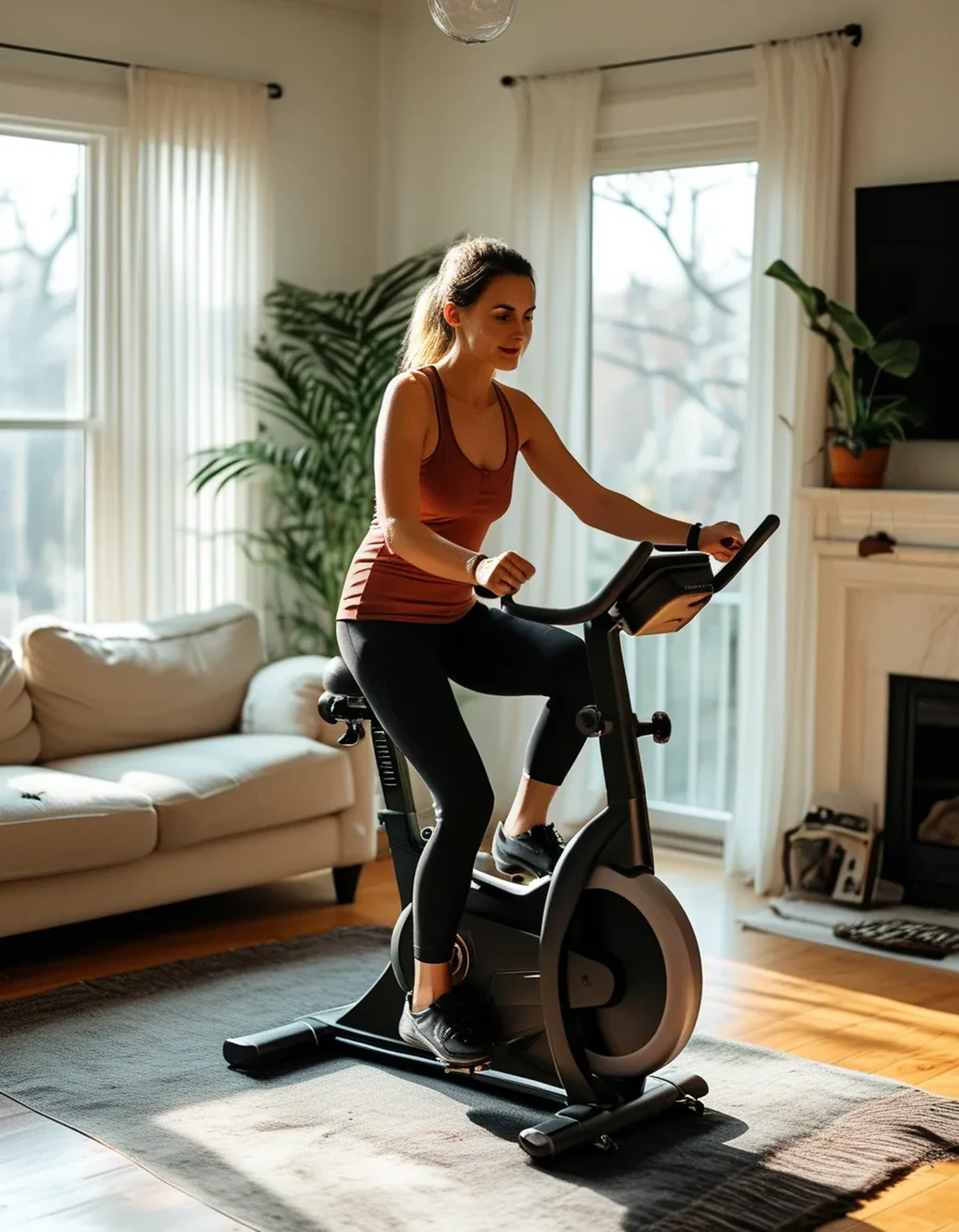
Is the actual physiological demand at a given cadence and power genuinely different indoors, or is this purely a perception issue?
It’s a combination of both real physiological difference and perception — the added thermoregulatory strain from reduced cooling is a genuine physiological difference, not purely perceptual, meaning heart rate at the same power output is often measurably higher indoors than outdoors once heat accumulates. However, the removal of natural micro-recovery windows and increased attentional focus on effort are more perceptual and pacing-related factors rather than a difference in the raw muscular work being done. Understanding this split matters because it means part of the fix (cooling) addresses a real physiological gap, while another part (distraction, pacing strategy) addresses a genuinely separate perceptual gap.
What specific adjustments actually close this gap most effectively for indoor training sessions?
Prioritizing a strong, direct fan for cooling is the single highest-impact adjustment, since it addresses the largest physiological contributor to the gap. Beyond cooling, structuring indoor rides with defined intervals rather than long steady efforts provides natural mental breakpoints that partially substitute for outdoor terrain’s natural variation, and using engaging visual content or a virtual cycling platform helps address the attentional-distraction component. Finally, accepting a slightly adjusted perceived-effort scale for indoor riding, rather than expecting outdoor cadence and power numbers to feel identical, removes unnecessary frustration from an expectation mismatch that isn’t actually a fitness problem.
What Nobody Tells You About Indoor Versus Outdoor Cadence Perception
Hydration status specifically compounds the indoor thermoregulatory gap in a way many riders don’t account for — since indoor sessions already impose more cooling demand, arriving even mildly under-hydrated (common for shorter, seemingly “easy” indoor sessions that don’t prompt the same pre-ride hydration habits as a longer outdoor ride) measurably worsens the perceived-effort gap beyond what cooling alone explains. Treating indoor sessions with the same hydration preparation as a comparable-duration outdoor ride, rather than treating them as inherently lower-stakes because they’re shorter or more controlled, closes part of the gap that’s often mistakenly attributed purely to the trainer setup itself.
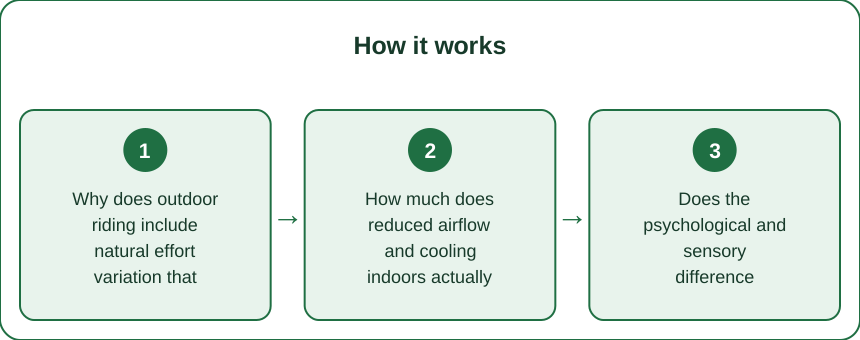
FAQ: Indoor Versus Outdoor Cadence and Effort, Answered
Should indoor training targets use lower power or cadence numbers than equivalent outdoor sessions?
Many coaches recommend a modest downward adjustment, particularly for longer steady-state indoor sessions, to account for the added thermoregulatory strain — though this varies by individual and by how well-addressed the cooling setup already is.
Does a smart trainer with simulated terrain fully close this indoor-outdoor gap?
It closes part of the resistance-variation gap but doesn’t fully address the cooling and sensory-distraction components, so even smart-trainer riders often still notice some residual difference in perceived effort.
Is it worth training indoors at all if the perceived effort doesn’t match outdoor riding closely?
Yes — indoor training still provides genuine, measurable fitness benefit and offers valuable consistency and weather-independence, and understanding the perceived-effort gap is about interpreting the sensation correctly, not a reason to avoid indoor training altogether.
TL;DR:
- Outdoor riding includes natural micro-recovery moments from terrain and coasting that constant indoor resistance often lacks
- Reduced airflow indoors creates a real added thermoregulatory demand that increases perceived and actual effort
- Reduced sensory distraction indoors means more conscious attention lands on the raw effort sensation itself
- A strong direct fan, structured intervals, and adjusted hydration habits close most of the gap effectively
The same cadence feeling harder indoors reflects several genuine physical and sensory differences, not lost fitness — addressing cooling, pacing structure, and hydration specifically for indoor sessions closes most of that gap.
Keep Reading
This article is for general informational and styling purposes only. Fit, sizing, and product availability may vary — check current details before purchasing.