Why Your Knee Clicks at the Top of the Pedal Stroke (And What It Actually Means)
Quick Answer: A knee click occurring consistently at the same point in the pedal stroke — usually right near the top, where the knee reaches its most flexed position — is most often caused by cleat position, saddle height, or minor patellar tracking variation rather than a structural injury, and is generally not concerning on its own unless accompanied by pain, swelling, or a change in how the knee feels during or after riding.
A click at the same spot, stroke after stroke, isn’t the same thing as knee pain, and understanding the difference matters more than the sound itself.
Why does the top of the pedal stroke specifically tend to be where clicking occurs?
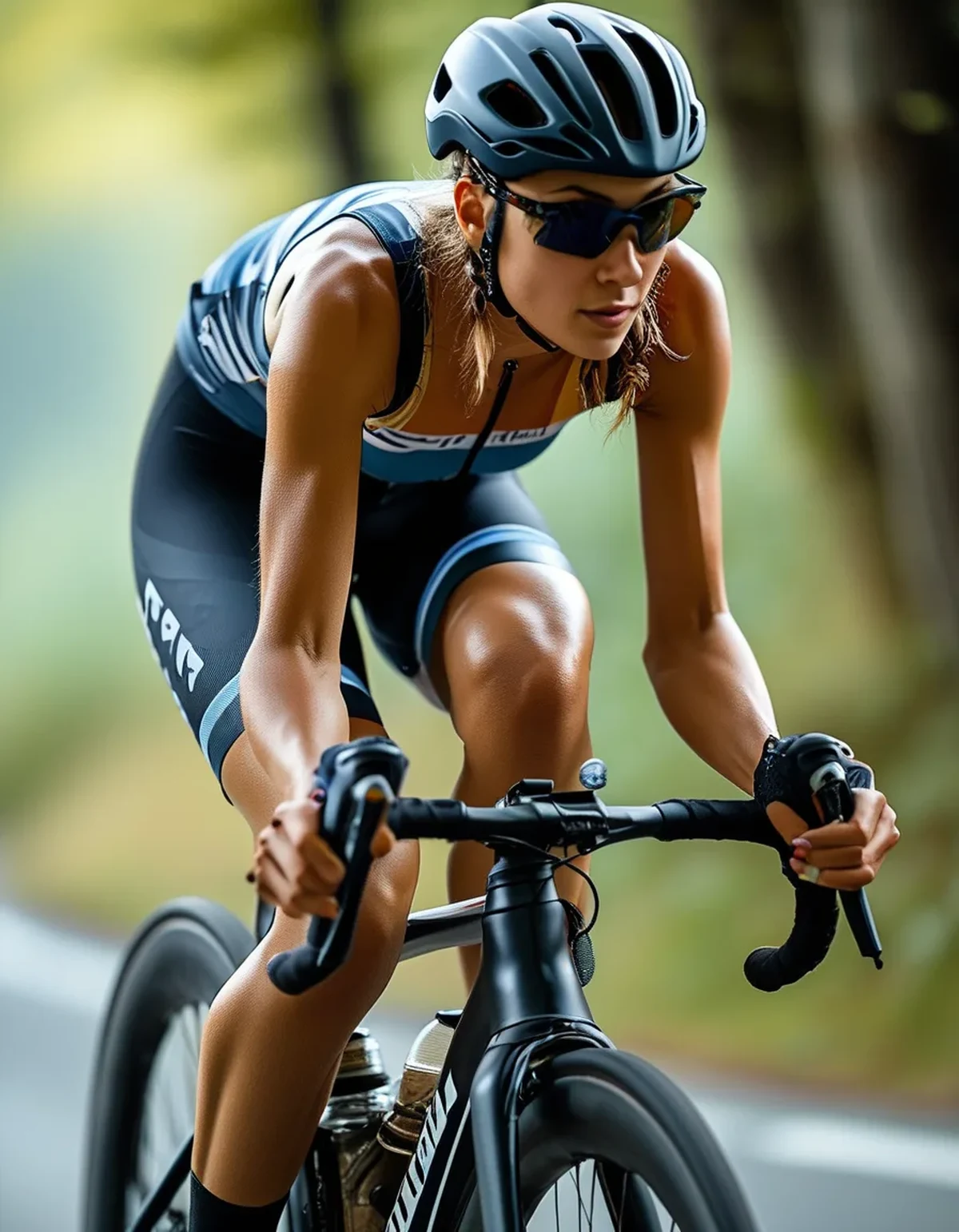
The top of the stroke is where the knee reaches its most flexed position during pedaling, and at that point in the range of motion, soft tissue structures around the kneecap (tendons, the patella itself moving across the femoral groove) are under the most mechanical transition, which is a common location for a benign clicking or popping sound to occur even in knees with no underlying problem at all.
How does saddle height specifically relate to a clicking sound at that point in the stroke?
A saddle set too low forces the knee into a deeper flexion angle at the top of the stroke than is mechanically ideal, increasing compressive forces around the kneecap exactly at the point where clicking tends to occur — raising the saddle to a properly fitted height is one of the most common and effective first adjustments for this specific symptom.
Does cleat position play as significant a role as saddle height for this issue?
Yes, often just as significant — a cleat positioned too far forward or with incorrect rotational alignment changes how force transfers through the knee joint during the stroke, and can produce a consistent clicking sound at a specific point in the rotation even when saddle height itself is otherwise correctly set.

How can a rider tell the difference between benign clicking and something needing medical attention?
A click without pain, swelling, warmth, or any change in the knee’s function during normal daily activity is generally considered low-concern and common; a click accompanied by any of those additional symptoms, or one that develops suddenly after a specific incident or fall, is a meaningfully different situation that warrants a medical evaluation rather than a simple bike-fit adjustment.
Does riding through a benign click without addressing bike fit still carry any real risk over time?
It’s reasonable to have a bike fit professional check saddle height and cleat position even for a currently painless click, since a fit issue causing repetitive unusual mechanical stress at the same point in thousands of pedal strokes per ride could plausibly contribute to discomfort developing later, even if there’s no problem in the short term.
What does a proper bike fit assessment for this specific symptom typically check?
A qualified bike fitter typically checks saddle height against standard knee-flexion-angle targets, cleat fore-aft position and rotational alignment, and overall pedaling mechanics through a full rotation, comparing findings against the specific point in the stroke where clicking occurs to identify the most likely contributing factor.
FAQ: Cycling Knee Clicking, Answered
Is knee clicking while cycling common even in experienced, uninjured riders?
Yes, quite common, and research on joint sounds generally finds that clicking or popping without pain is a frequent, usually benign occurrence across many joints, not unique to cycling or to any particular fitness level.
Should saddle height be adjusted gradually or all at once if it’s suspected to be the cause?
Gradual small adjustments (a few millimeters at a time) over several rides tend to be recommended over one large change, allowing the body to adapt and making it easier to identify the specific height where the click resolves.
Does pedaling cadence affect how noticeable this type of clicking is?
Somewhat — a slower cadence with more torque per pedal stroke can make a clicking sound more noticeable than a faster, lighter cadence, though cadence itself isn’t typically the root cause of the click.
TL;DR:
- Clicking consistently at the top of the pedal stroke is usually mechanical (saddle height, cleat position), not structural injury
- The top of the stroke is a common location for benign clicking simply due to peak knee flexion at that point
- Pain, swelling, or a sudden onset after an incident are the signals that shift this from a fit issue to a medical one
- A bike fit check on saddle height and cleat position is a reasonable step even for a currently painless click
This is general information, not medical advice. Persistent clicking accompanied by pain or swelling should be evaluated by a medical professional, and a bike fit check is a reasonable first step for a painless but consistent click.
Keep Reading
This article is for general informational and styling purposes only. Fit, sizing, and product availability may vary — check current details before purchasing.